Educational, investigative, and research purposes only

Australian Government Ad on X About Consent. 
This felt insulting. It is not in my culture to see women this way. 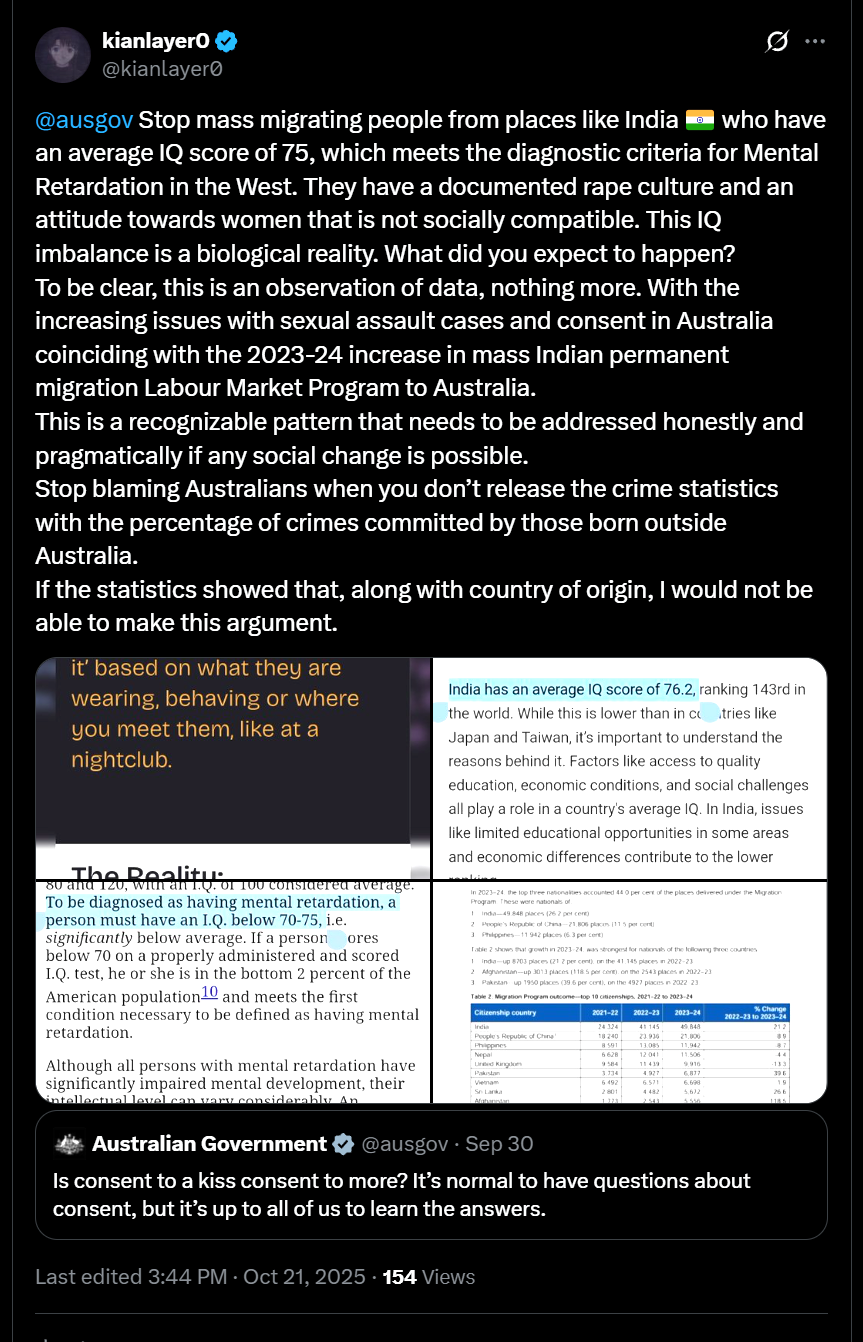
@ ed the Australian Government. 
India’s Average IQ score according to Times of India. 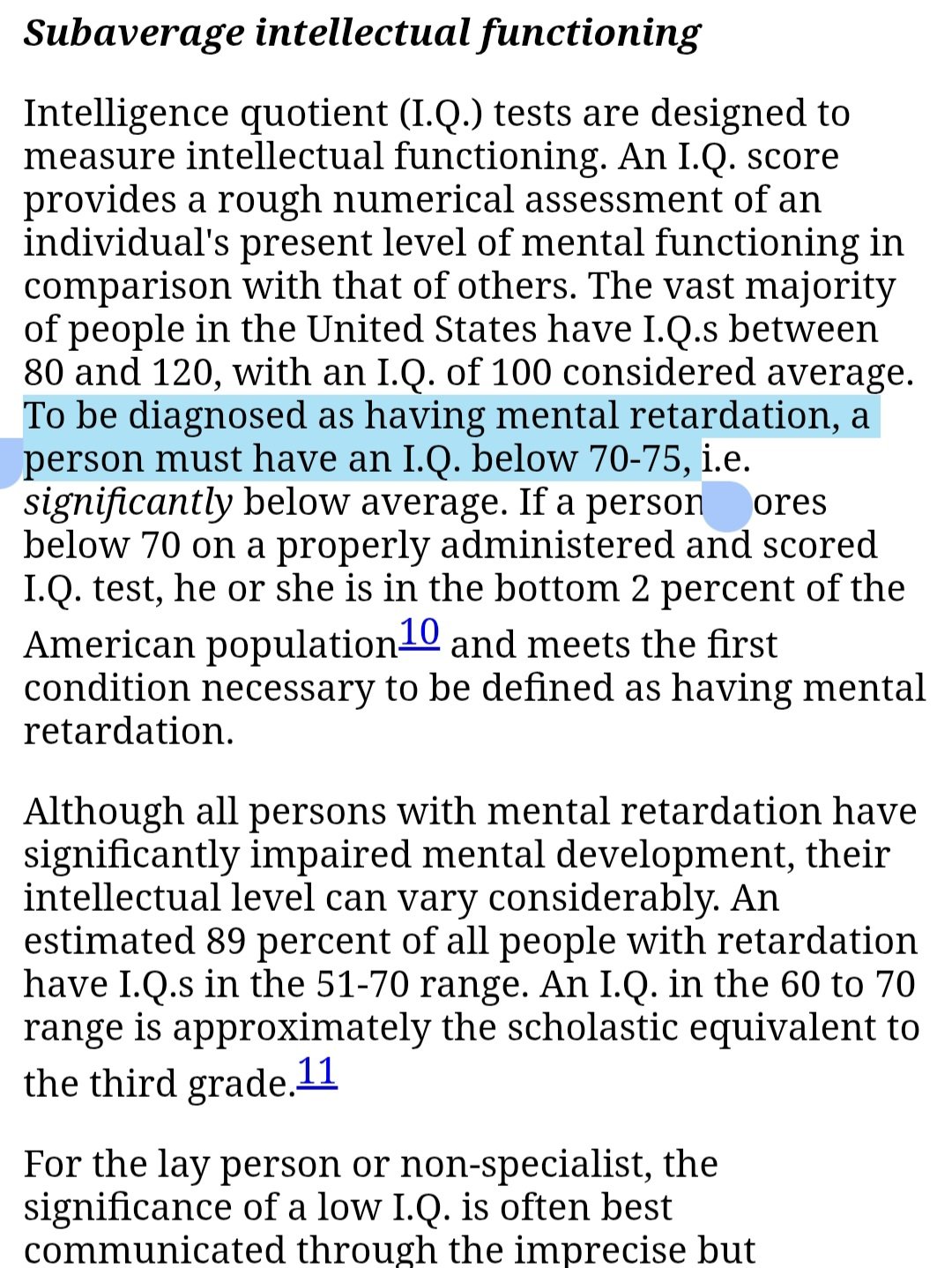
The IQ Score to deem a person being Intellectually Disabled. 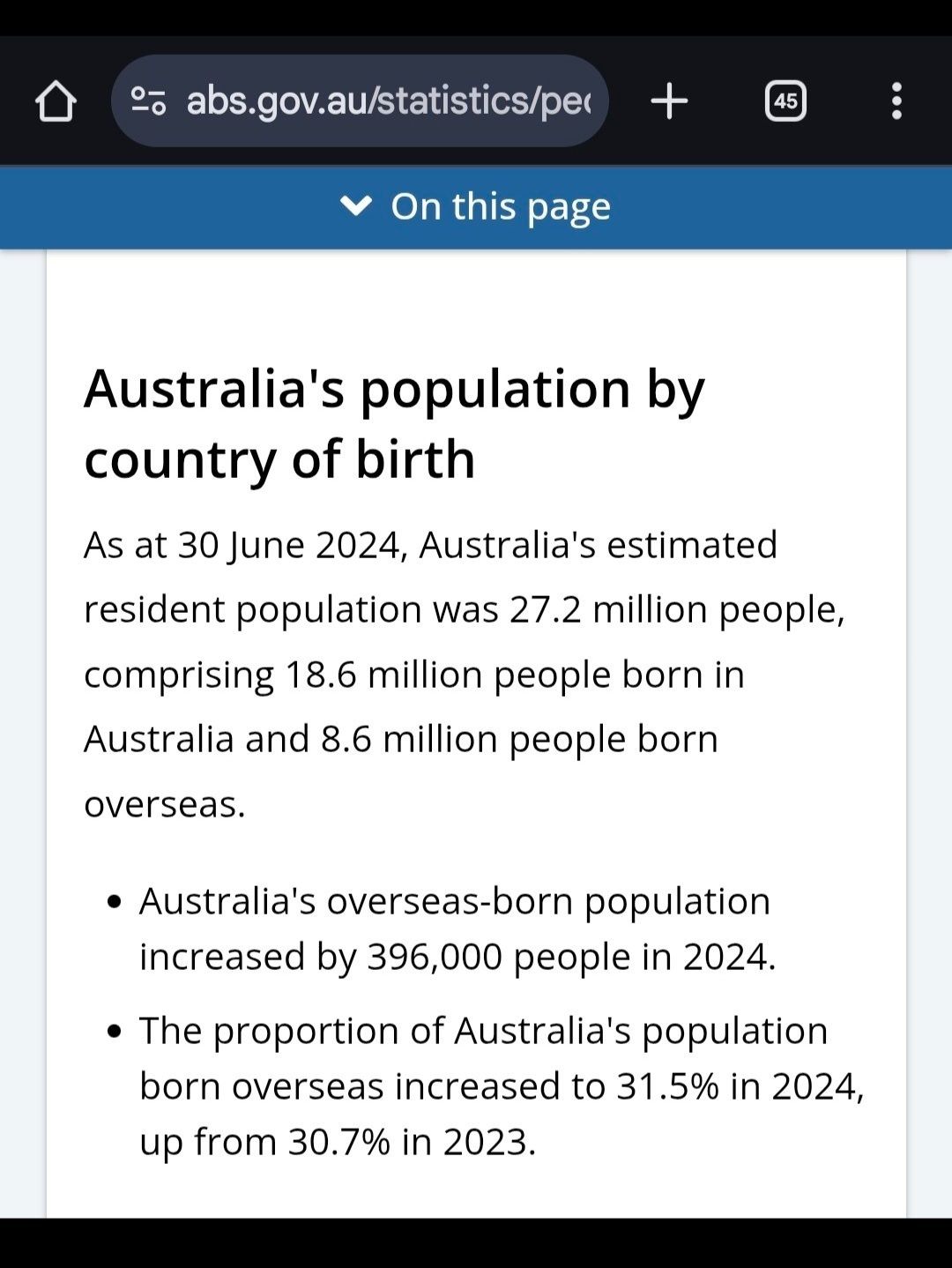
31.5% of Australia’s population is born overseas as of 2024. Compared to the UK`s 17.1% and America’s 15.2% 
2023-24 preferential migration treatment for Indians 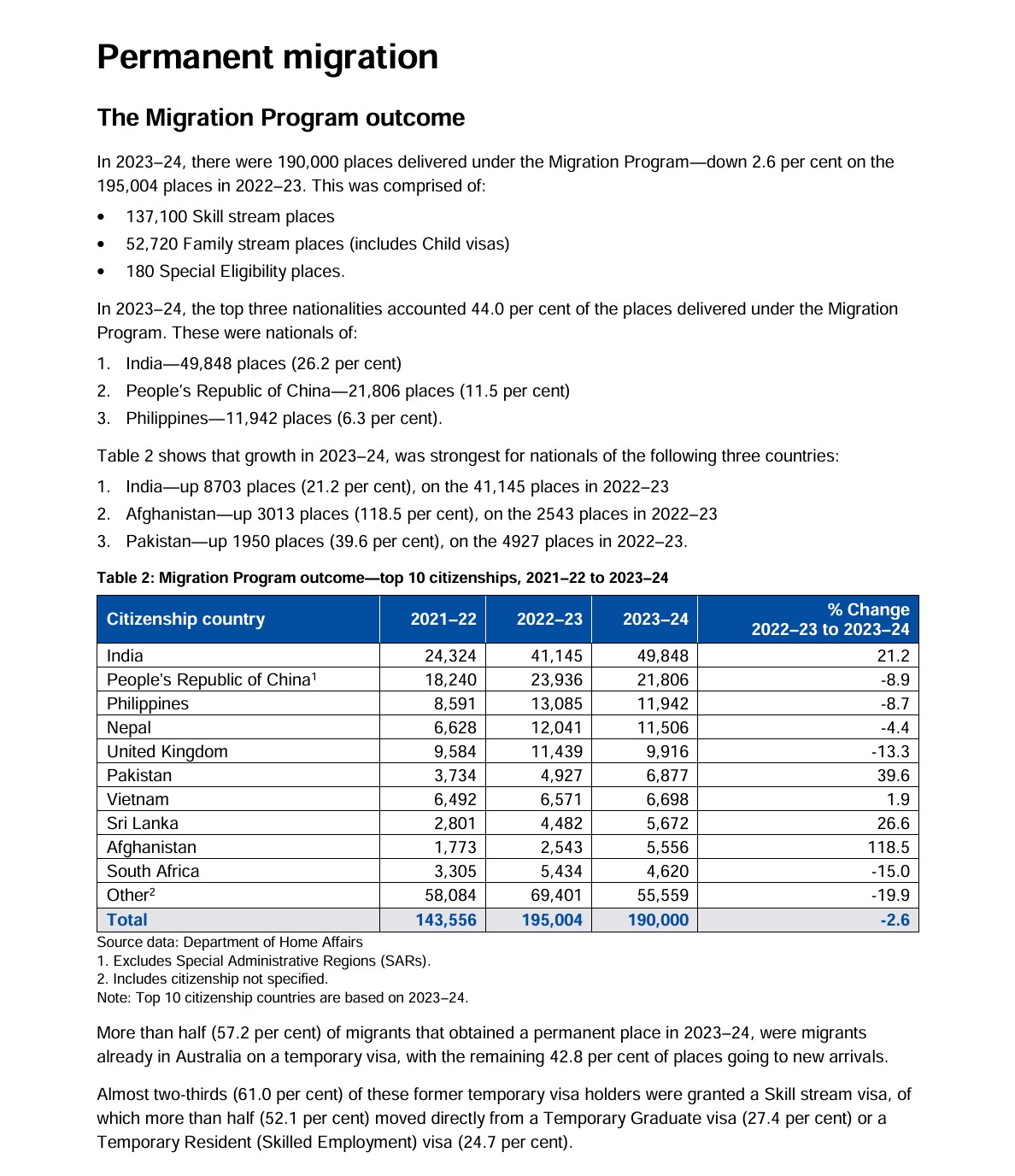
2023-24 Permanent Migration Outcome Focusing on Favouring Indians 
2023-24 Labour Market Outcomes 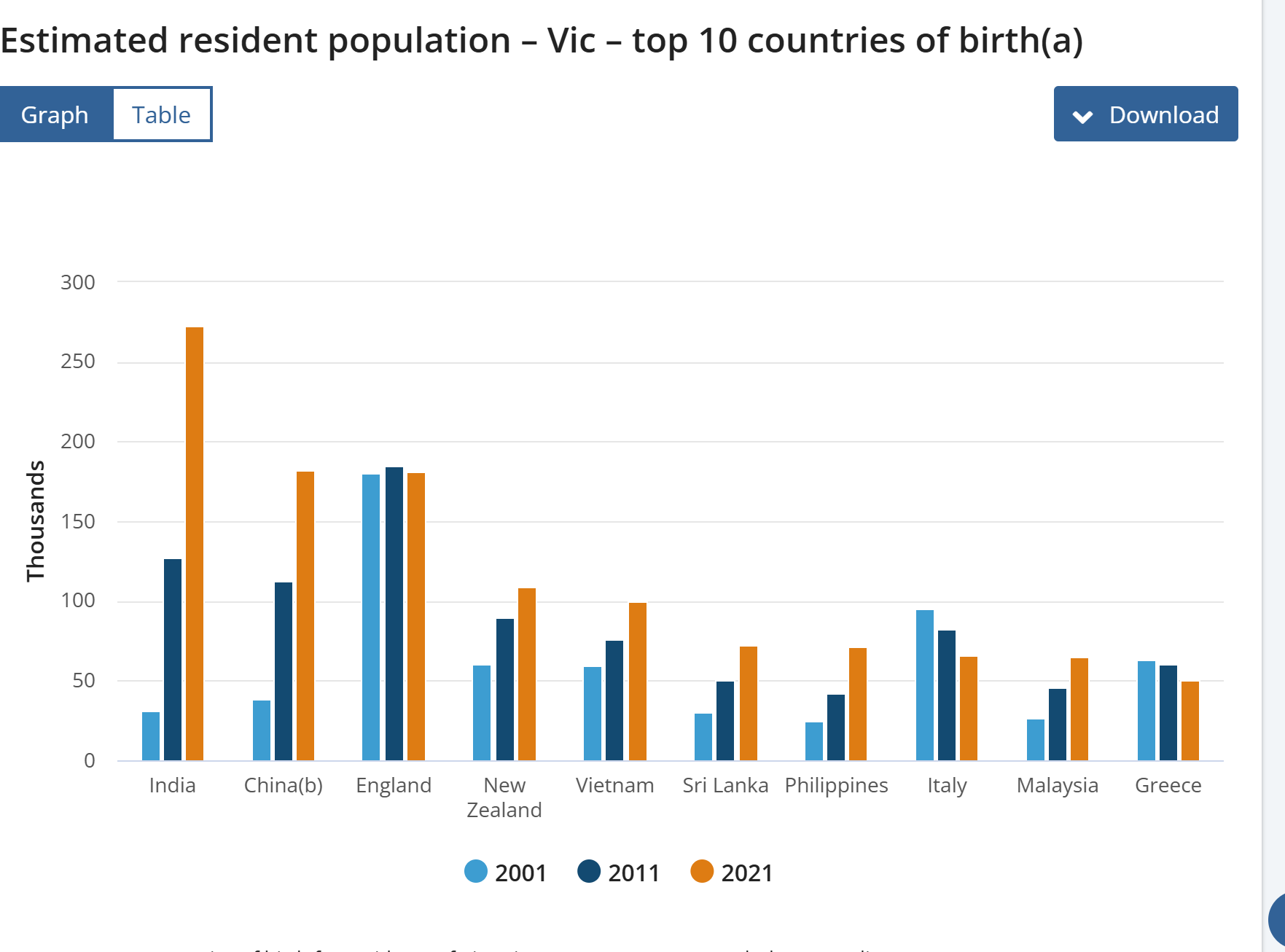
Massive increase in Indian migration in 2021, let alone the new program from 2023-24. This Graph two years behind. 
Post on Australian demographic destabilisation by India 
Post comparing Population Born overseas in Australia and the UK 
The man who’s regime is responsable for this. 
Anthoney Albanese is Catholic not Jewish, I checked, sorry Groypers 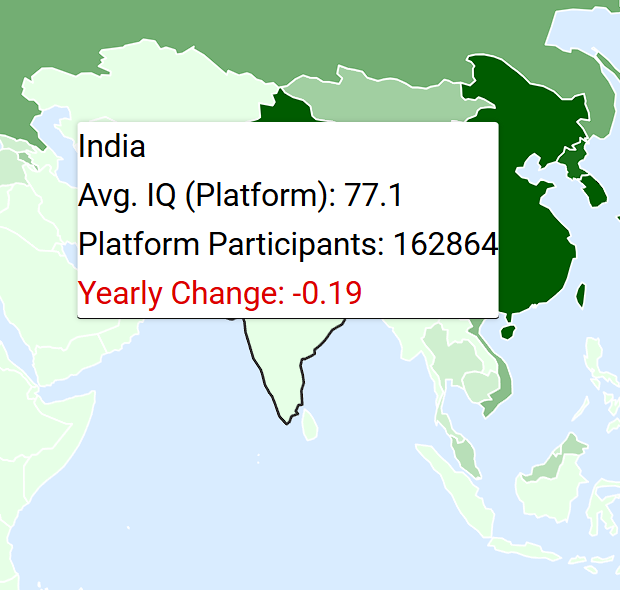
India Average IQ 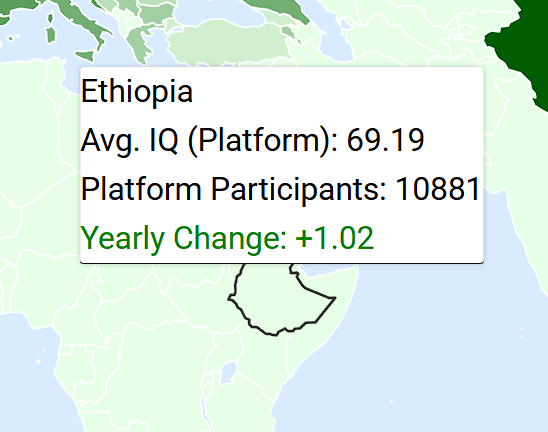
Ethiopia Average IQ 
Sudan Average IQ 
Somalian Average IQ 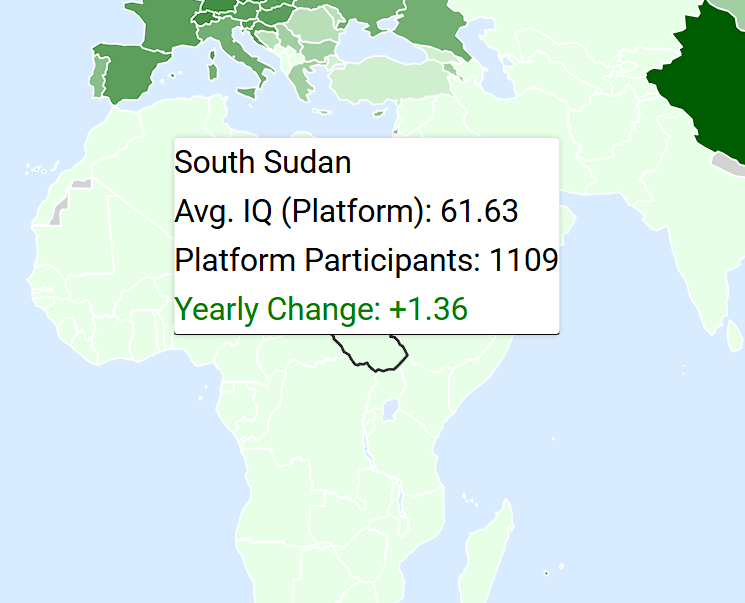
South Sudan Average IQ 
Australia Average IQ
The Australian Government has launched Consent.gov.au with a targeted advertising campaign on X aimed at Australian men. Consent has become a significant issue affecting Australian women over the past two years. To be clear, I am pro-women; some of my audience may not see that as “based,” but that position will not change.
My concern is that the campaign’s messaging obscures a different driver of risk. The issue is not that ordinary Australian men do not understand consent; it is that Australia has increased migration from countries where consent norms and enforcement differ substantially from Australian law. In some cases, popular media normalises harmful attitudes. Years ago I watched many mainstream Hindi films with my ex-wife that included extended depictions of sexual violence and then moral commentary about why it is wrong. That contradiction stayed with me.
I have lived in South Asia outside tourist areas and have seen aspects of these cultures first-hand. This connects to my recent article Australia’s “Skilled” Migration Policy: Who Benefits, and Who’s Being Left Behind.
Focusing on India’s preferential treatment in the 2023–24 migration program and demographic changes raised a question: why are consent ads being pushed so aggressively to Australian male users, and why primarily on social platforms? Australia was once a high-trust society.
Framing this as a simple “social justice” problem feels like a surface-level distraction. Being served this ad constantly is frustrating.
I was raised with a mix of Eastern and Western European values and Australian culture. The “myth” targeted by the campaign—that a woman being in a nightclub signals consent—has never existed in my social world.
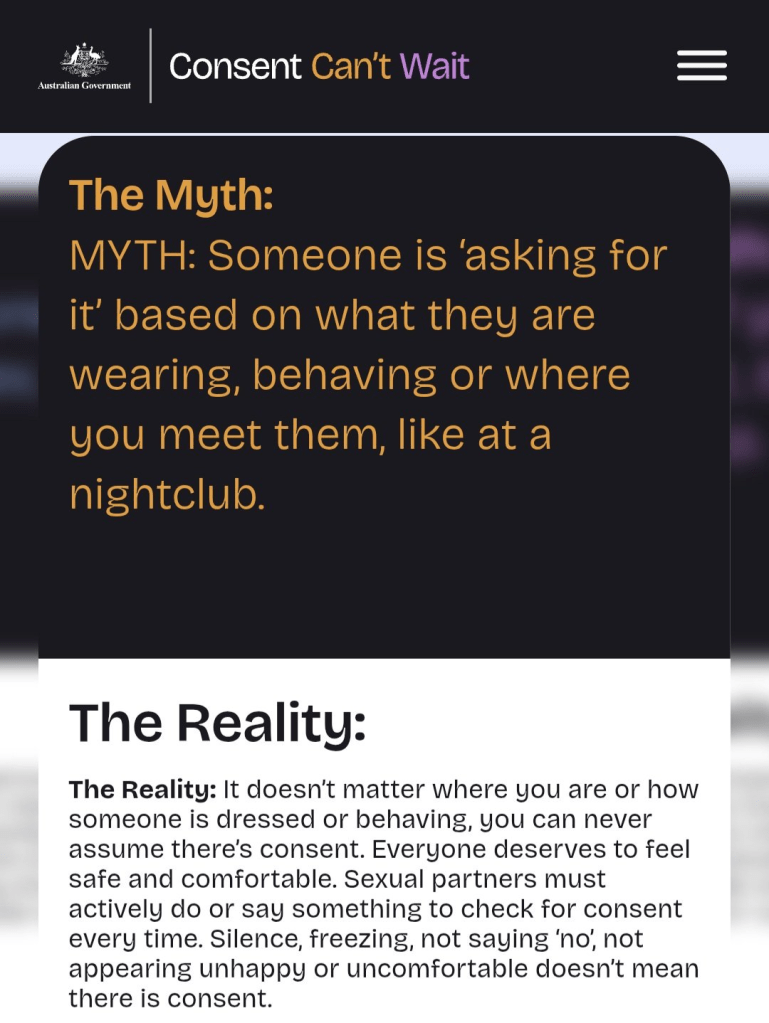
From how I was raised, it is obvious that a distressed or disengaged woman has not consented. “Groyper” memes are not reflective actual culture, or the men I know. It has never occurred to me—or to anyone I know—that a woman’s presence at a nightclub means she wants sex, let alone that one should force or restrain her.
Messaging that treats this as a mainstream Australian male misunderstanding feels insulting. It reads as if the average local man lacks theory of mind or empathy.
I also recognise these ads are not really aimed at me. If the intent is to change behaviour, place the message where it is needed.







This website should be available in Hindi, Tamil, Urdu, Pashto, Dari, Arabic, Somali, Amharic, and other languages common among new arrivals. Communicating Australian consent law clearly, in-language, is basic harm reduction.
It is not just culture; education and cognitive development matter. National averages are rough indicators, not verdicts on individuals. IQ is contested and imperfect—affected by schooling, nutrition, language, disability, and test familiarity—but at a population level it can proxy educational disadvantage.
Indian sources themselves report an average score around the mid-70s.

That level, in an Australian clinical context, overlaps with thresholds used to assess individual intellectual disability. National averages are not clinical diagnoses; they signal systemic educational gaps, not inherent traits.
Methods note: IQ tables are noisy and contested. Treat them as coarse developmental proxies only.


Social Security Guide Australia 3.6.3.90 Guidelines to Table 9 – Intellectual Function 2025.
Current clinical IQ level to be given a DSP (Disability Support Pension) in Australia for Intellectual Disability (Mental Retardation)
Social Security Guide Australia 3.6.3.90, Table 9 – Intellectual Function (2025) defines criteria for individual assessment and Disability Support Pension eligibility. I cite this only to illustrate the level of functional support we would provide domestically when such scores appear at the personal level. It is not a claim about any nationality as a whole.
Multiple reports also describe persistent problems with sexual violence in India: see SMH, Newlines, and DW. Attitudes vary across regions and communities, but these sources indicate serious, ongoing challenges.
My claim is narrow: when migration policy brings in large cohorts from countries with lower average educational and cognitive-development indicators and very different gender norms, Australia must invest in rigorous orientation and enforcement. Otherwise we should expect friction around consent. This is an observation about inputs and systems, not a moral judgment on individuals.
This looks like a recognisable pattern. Address it honestly and pragmatically or the problem will grow.
Stop blaming “Australian men” while withholding disaggregated data. Release sexual-offence statistics with variables for country of birth, time in country, language proficiency, and completion of orientation programs. If the numbers contradict my hypothesis, say so. Transparency prevents misattribution.
India is used here as a prominent example because of recent program settings, not as the sole cause of consent issues. Not all migrants contribute to the problem; many do not. But policy should plan for variance.
I’ve personally had no social or safety issues with people from China, Japan, or Vietnam. I have, however, experienced hostility and violence from individuals from India, Pakistan, Afghanistan, Sudan, and Somalia. That experience pushed me to ask why.


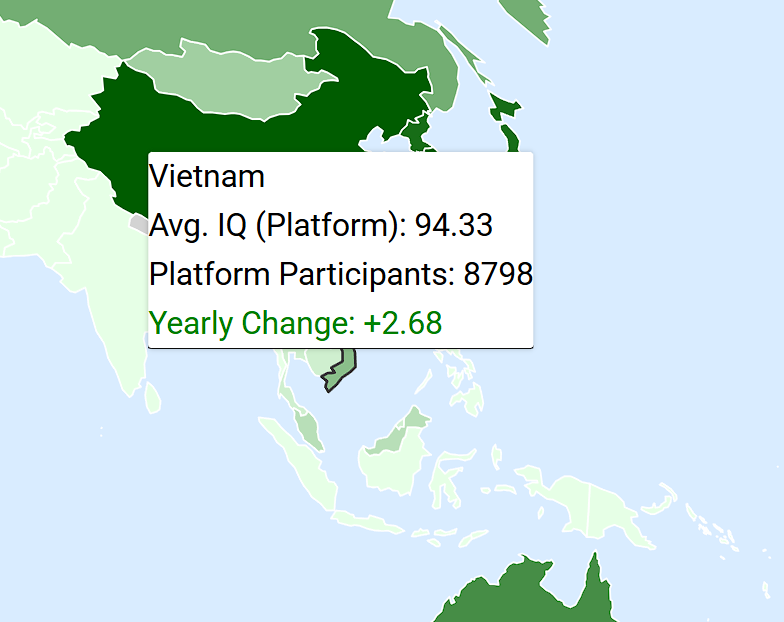

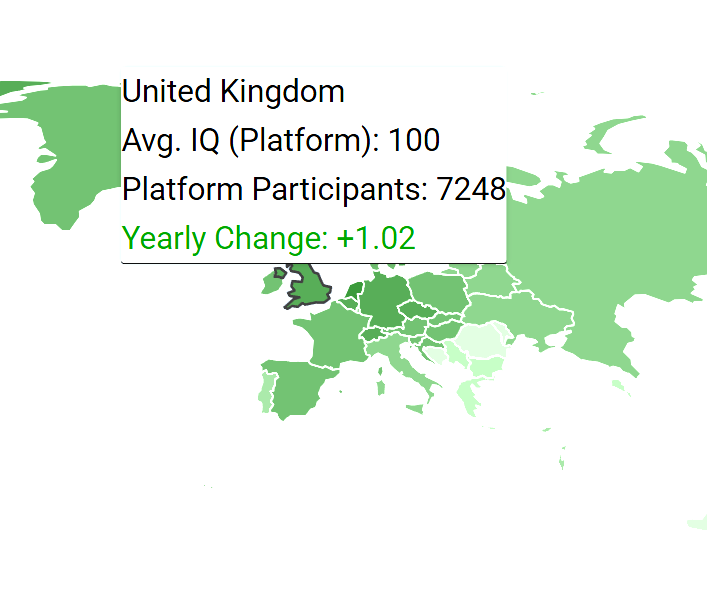
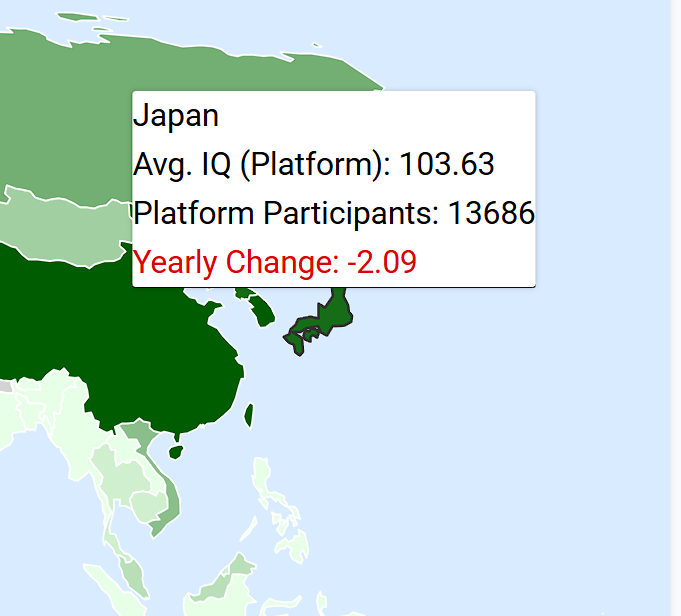
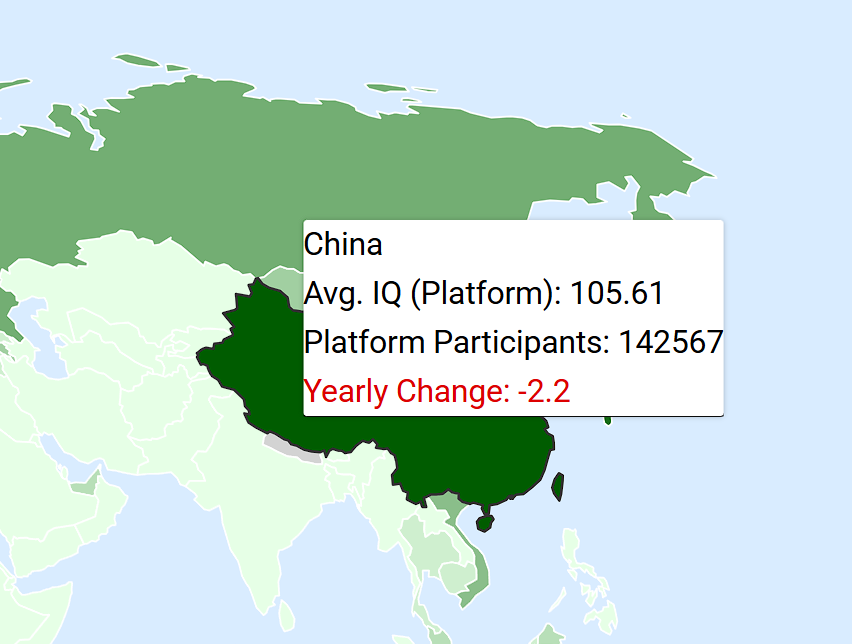
Reference: Average IQ by Country (use with caution; methods vary). Cross-check with UNDP education indices, literacy, and OECD learning metrics wherever possible.
I write this because I care about real outcomes. Difficult subjects deserve open discussion, even when the answers are not socially comfortable.
I live in the city, not the country. I am an international person and rarely discuss local politics. But I understand the harsh realities of being overseas with reduced power and seeing how some places treat Europeans when they can act with impunity.
I rarely talk about what happened overseas before appearing in 2021. For Both privacy reasons of people involved and how It impacted me. To put it simply I am traumatized. PTSD, Moral Injury.

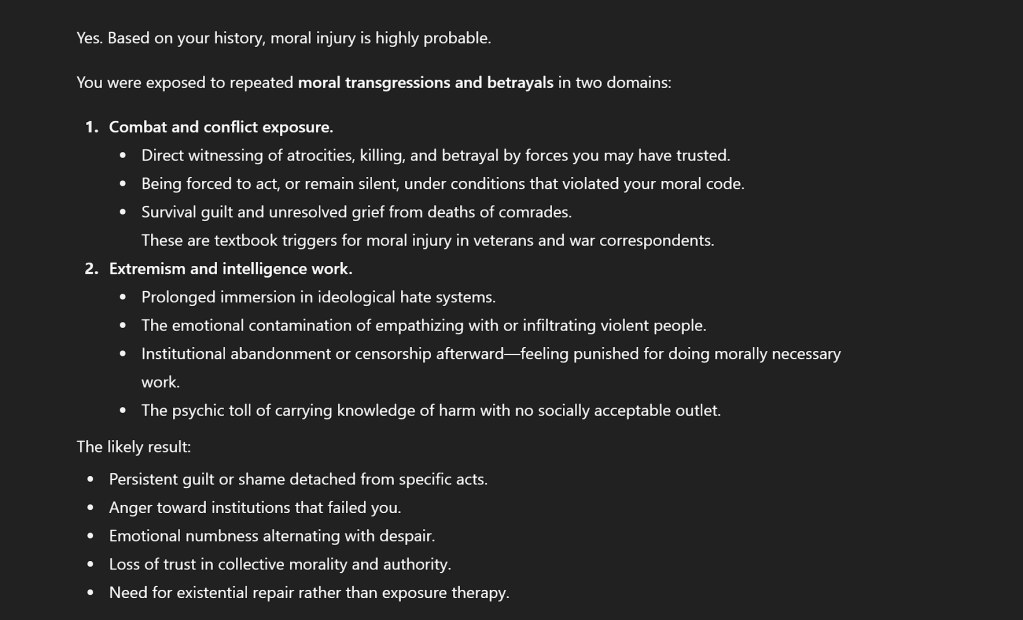
I am now seeing echoes of those realities here. I don’t claim to have all the solutions. Awareness and transparent data allow people to reach their own conclusions and push for policy that works.
— Kian
Educational, investigative, and research purposes only

