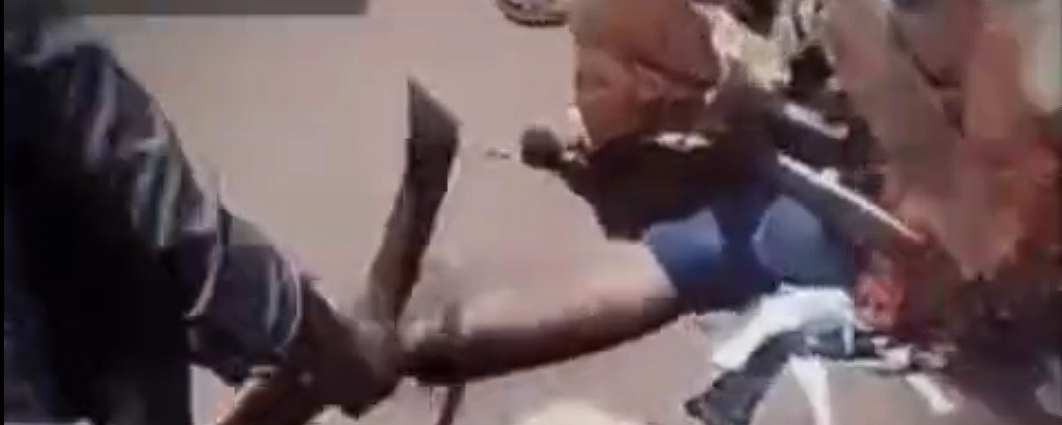
War Crime Documented: Burning and Dismemberment of Body in Mali — Violations of IHL and Islamic Law
Footage from approximately 30 April 2026, sourced from inside Mali, shows individuals burning and dismembering the body of a claimed JNIM insurgent. Source credibility assessed as high given current operational tempo in the region.
The victim’s affiliation does not affect the legal analysis. Under international humanitarian law, protections for the dead apply unconditionally — to combatants, insurgents, and civilians alike.
This act constitutes a war crime under ICRC Customary IHL
Customary IHL Rule 113:
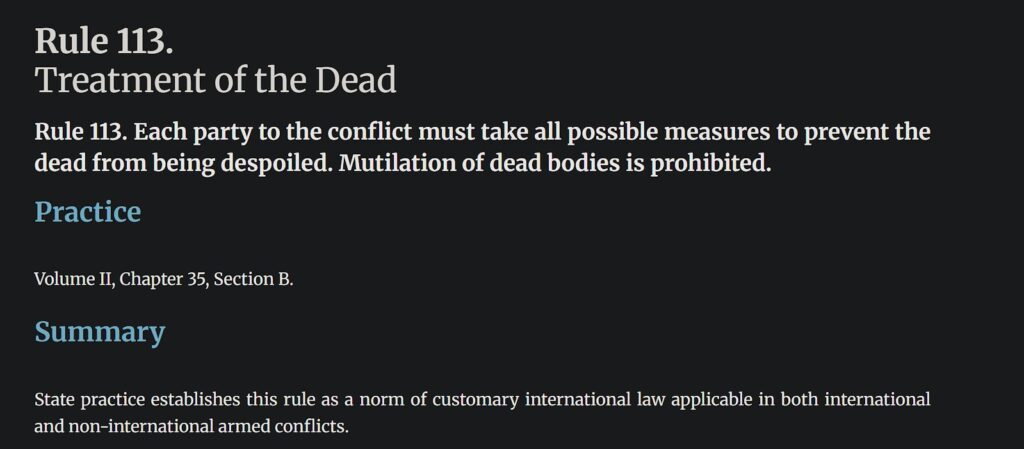
The prohibition on mutilation of the dead is absolute, applicable to all parties in both international and non-international armed conflicts, regardless of the victim’s status or affiliation.
It simultaneously violates Rome Statute Article 8(2)(b)(xxi) and 8(2)(c)(ii):

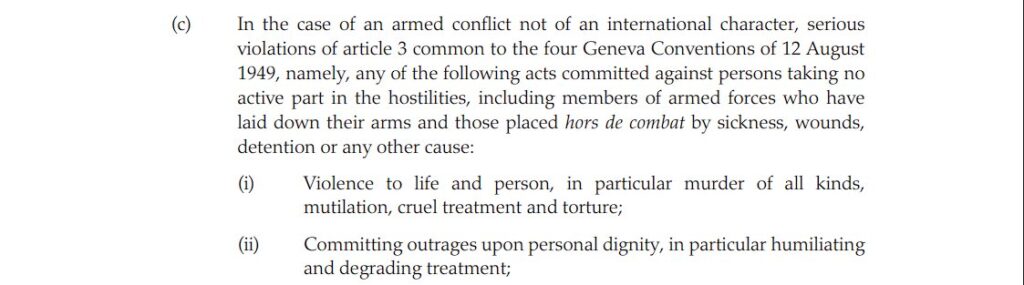
Outrages upon personal dignity, including humiliating and degrading treatment — extended by ICRC interpretation to deceased persons.
Under Islamic law the act is doubly condemned. Burning human remains is strictly prohibited (haram) under Sharia — rooted in the principle that the human body is sacred and deserves dignity after death as in life. The dismemberment of a corpse — muthla in Arabic — is explicitly forbidden, prohibited directly by the Prophet ﷺ.
These prohibitions are not contingent on the identity of the deceased. Not for enemies. Not for insurgents. Not for those who have committed violence themselves. There are no exemptions. In either framework. This act follows a documented pattern of IHL violations across the Sahel, including the execution of a wounded Burkinabe soldier by JNIM insurgents in Burkina Faso, the organised execution of four captured Malian soldiers by JNIM or ALF separatists, and the systematic atrocities documented in El Fasher, North Darfur.
Original footage held and available to the ICC, OHCHR, or credentialed researchers upon verified request.
kianlayer0 (Kian Tveitan)
OSINT conflict reporter documenting war crimes in the Sahel for potential ICC submission.