War Crime : Extrajudicial Execution and Public Display of Combatant, Mali
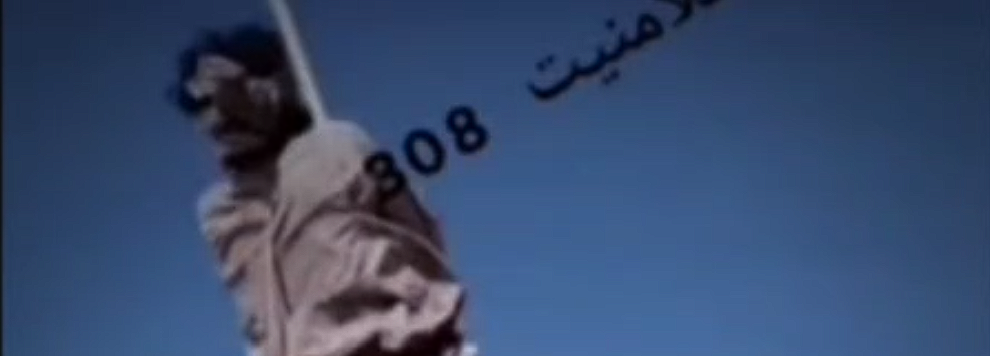
Footage from Kidal, approximately 25-29 April 2026, documents the public display of the body of an alleged separatist combatant, hung from a flagpole at what appears to be a police compound, the same location where a man was filmed removing the Malian flag in a separate clip circulating from the same timeframe.
I assess with high confidence that this individual was extrajudicially executed, based on the following: the body shows no signs consistent with death in active combat. The condition of the remains, the deliberate and organised manner of display, and the placement of an Islamic funeral notice beneath him are consistent with post-capture handling rather than battlefield recovery. Intelligence from sources with operational awareness of the region indicates his phone was seized, suggesting his identity as the man filmed at the flagpole was confirmed prior to his death.
I cannot confirm the precise sequence of events between capture and death. What I can confirm is what is visible: a combatant identified through his own footage, subsequently found dead and publicly displayed by forces who had both the motive and the means to execute him.
Under Rome Statute Article 8 and ICRC Customary IHL,
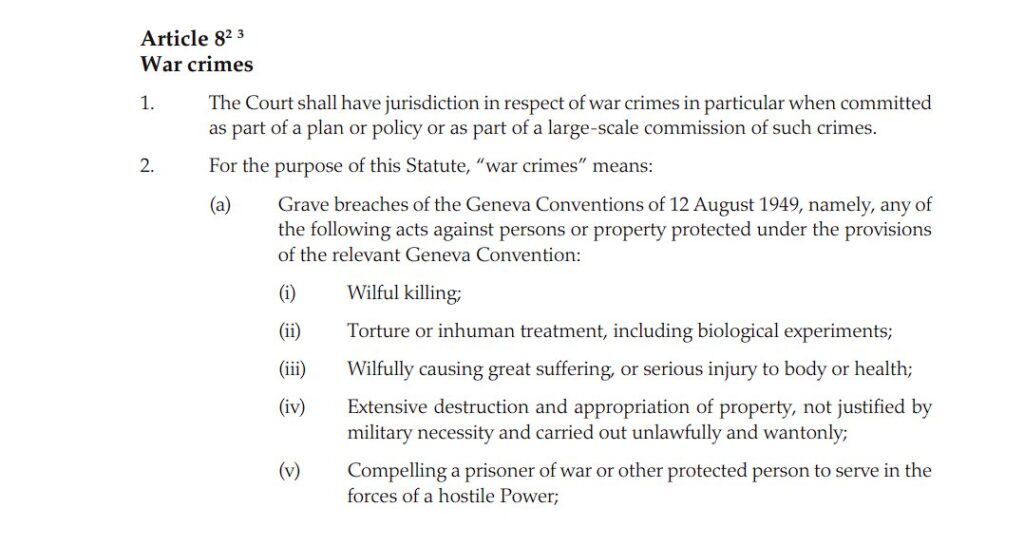
The violations documented include: Execution without due process (Art. 8(2)(c)(iv)):

If, as the evidence strongly suggests, he was killed after capture rather than in combat, this constitutes a war crime regardless of what he did at that flagpole.
Outrages upon personal dignity (Art. 8(2)(c)(ii)):
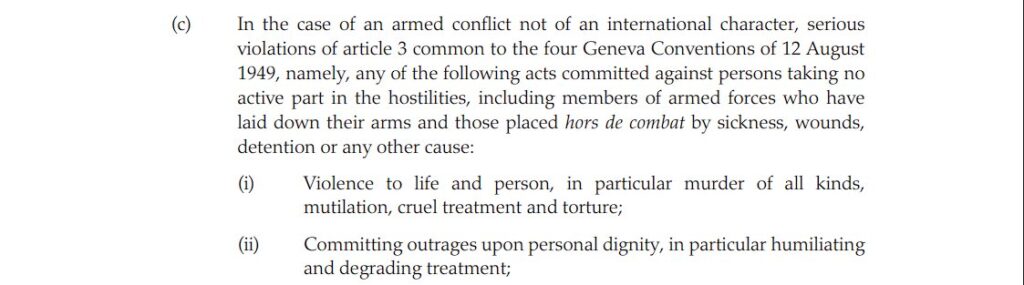
The deliberate public display of a corpse as a trophy meets the threshold of humiliation recognised under international humanitarian law.
Mutilation and desecration of the dead (ICRC Rule 113):
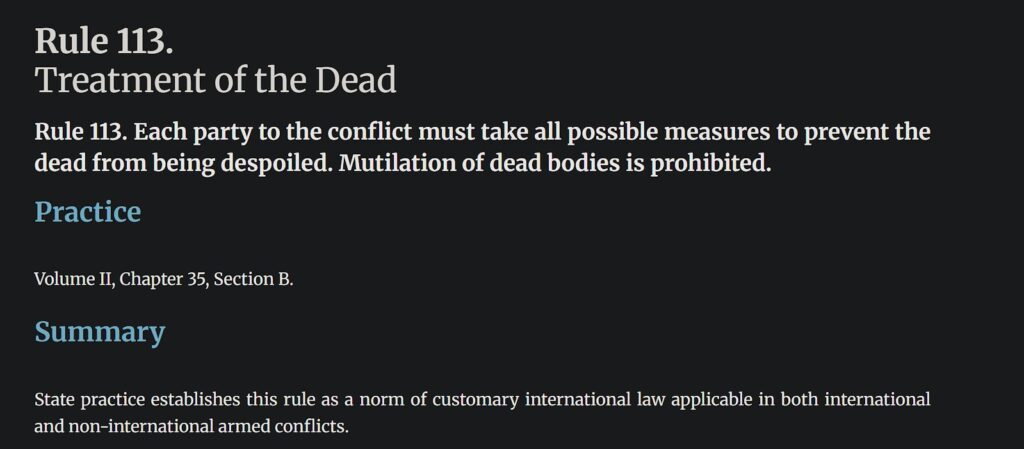
Applicable to all parties, unconditionally.
Under Islamic law, the public display of a body in this manner constitutes muthla, the prohibited desecration of human remains, explicitly forbidden by the Prophet ﷺ. The sign hung beneath him reads إنا لله وإنا إليه راجعون “Indeed, to Allah we belong and to Allah we shall return.” Its placement does not sanctify what was done. By the framework of the very forces who displayed him, this act is haram. There are no exceptions. Not for enemies. Not for combatants. Not for men who took down a flag.
Source credibility assessed as high. Intelligence from Russian PMC-connected contacts with operational presence in the Kidal region. Original footage held and available to the ICC, OHCHR, or credentialed researchers upon verified request. This execution is part of a documented pattern of serious IHL violations across the Sahel, including the hors de combat killing of a Burkinabe soldier by JNIM insurgents, the organised execution of four captured Malian soldiers by JNIM or ALF separatists, the burning and dismemberment of human remains in Mali, and the systematic atrocity campaign documented in El Fasher, North Darfur.
kianlayer0 (Kian Tveitan)
OSINT conflict reporter documenting war crimes in the Sahel for potential ICC submission.